


vijay gupta
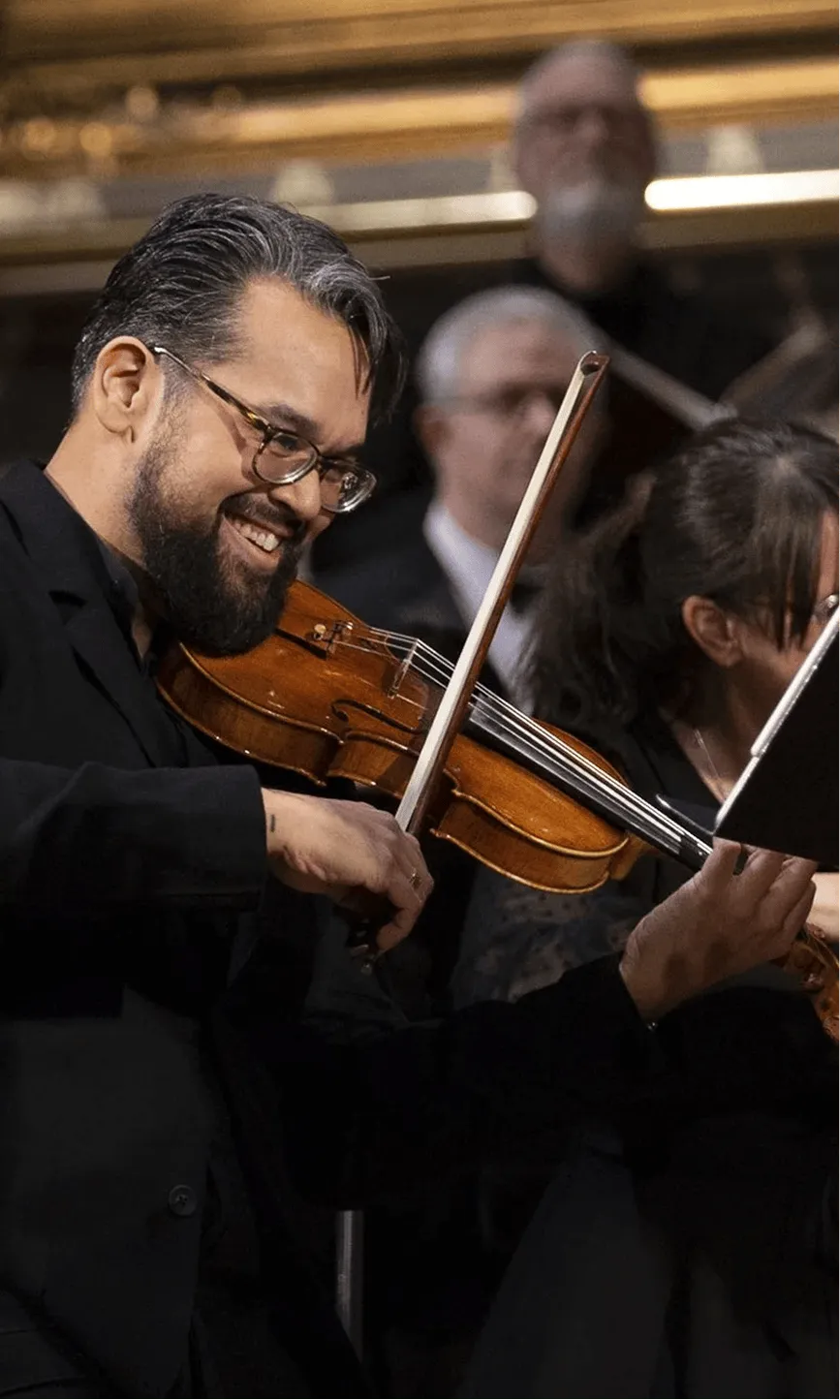
Vijay Gupta is a violinist, speaker and author, leading a protean career as a performer, curator and thought leader.
As the founding artistic director of Street Symphony, Vijay is a nationally celebrated leader in how music can be a transformative force for humanity, connection and hope. From prisons, county jails and LA’s Skid Row to concert halls, campuses, and companies across the world, Vijay’s work is the embodiment of the generous, generative power of music to heal the world - and ourselves.

“A visionary violinist and a radical thinker in the classical music world.”
Alex Ross, The New Yorker
speaking engagements
Vijay is an internationally celebrated musician, speaker, and advocate who bridges the worlds of art, justice, and healing.

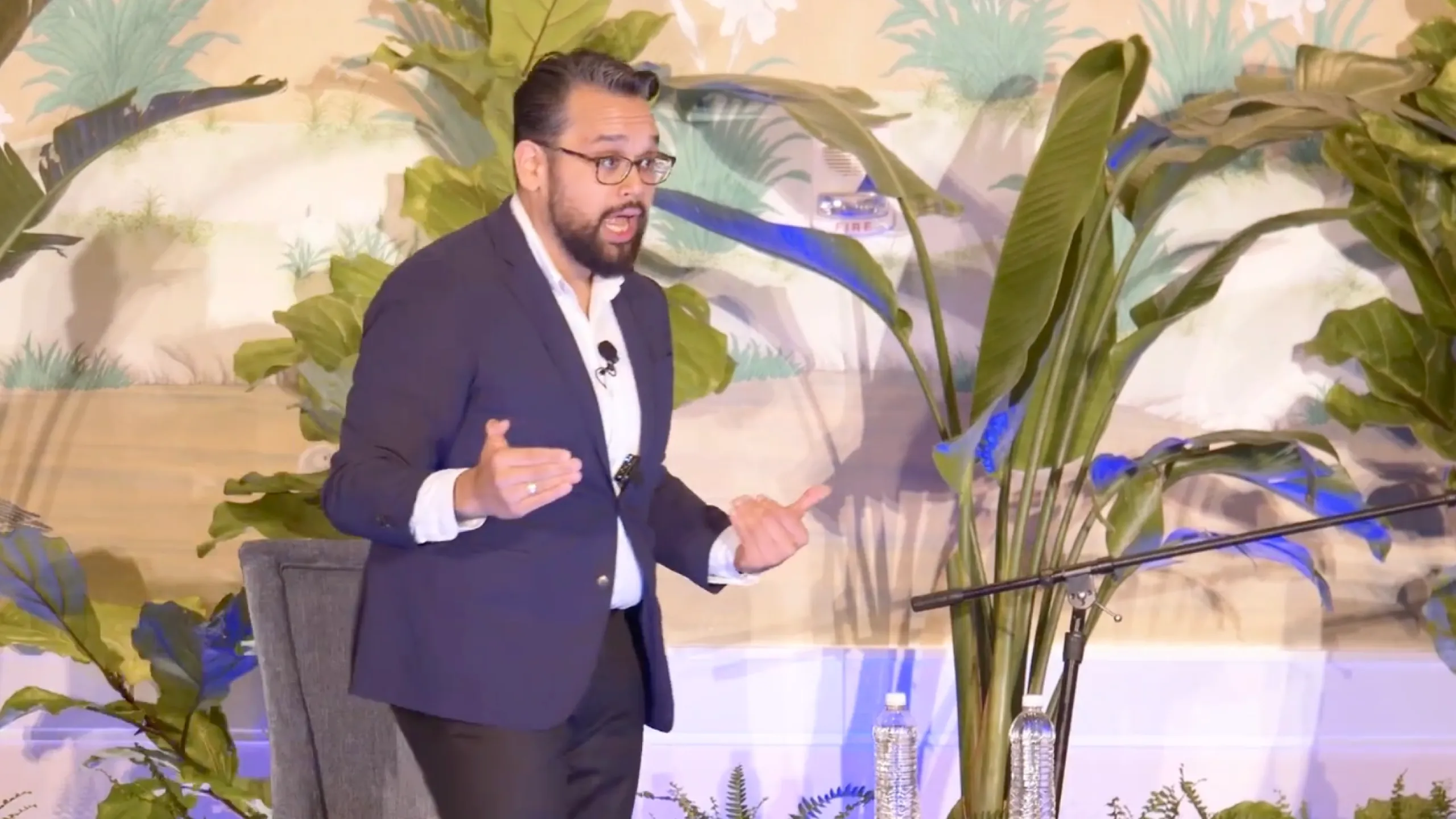
Music Can Reveal Our Shared Humanity
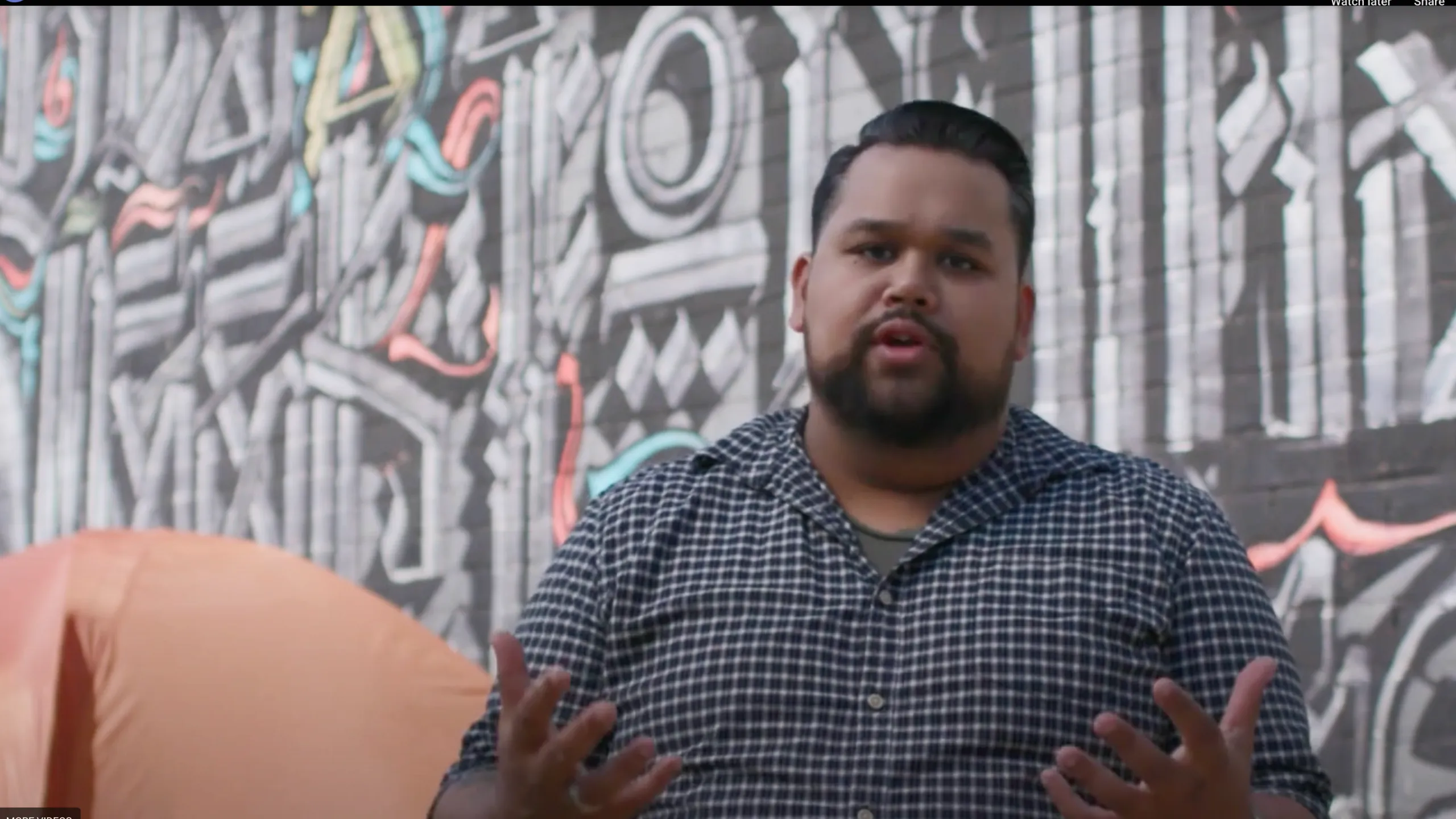
Why It Matters
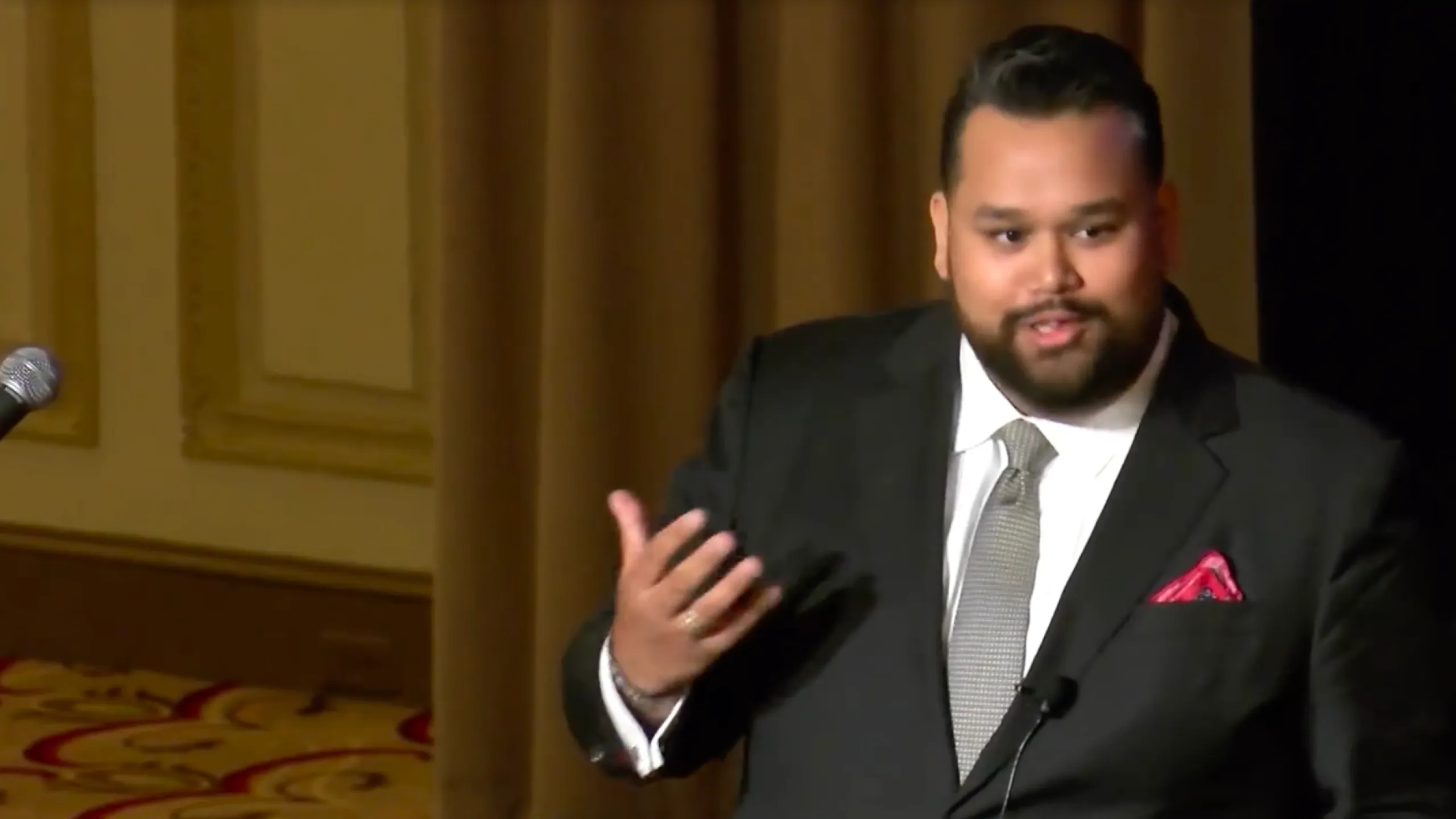
Opening Plenary Session
Awards & Recognition
Vijay Gupta has been widely recognized for his extraordinary contributions to music and social impact.
He received the 2018 MacArthur “Genius” Fellowship for his visionary work using music to foster human connection and transformation. In 2024, he was inducted into the American Academy of Arts and Sciences, joining an esteemed group of leaders honored for advancing the arts and public life.

Restrung: A Memoir of Music and Transformation
Restrung tells that story from the inside. It follows Vijay through burnout and collapse, and into the work that rebuilt his life: showing up week after week with musicians and neighbors who taught him what it means to listen with care. It is a book about finding purpose in community, and about how music can hold people together when everything else falls apart.
Buy the book
restrung newsletter
Sign up for our Restrung newsletter and never miss a beat.
social media


visit vijay's website
vijaygupta.comstay connected with Vijay on the road
From the world’s great concert halls to Los Angeles’s Skid Row, violinist Vijay Gupta’s searing memoir of prodigy, ambition, collapse, and renewal reveals how music is not just performance but also survival, a lifeline of human connection when everything else falls away.